Production components aligned
Biomass pathways, conversion logic, and biochar specification are structured as one system.
TehaGreen helps agricultural operators and strategic partners structure biochar deployment across production pathways, field application, and MRV readiness. It operates as the system orchestration layer that connects the system; without owning hardware or operations.
System Snapshot
Biomass pathways, conversion logic, and biochar specification are structured as one system.
Field application is defined through operational pathways, not left as a downstream detail.
Data and MRV layers are introduced early so carbon readiness develops with planning.
Operators, suppliers, and technical partners work within one delivery logic from the start.
Problem
The bottleneck is not only the technology itself. In large operations, the real challenge is coordinating biomass supply, conversion pathways, agronomic fit, field application, and MRV data foundations without adding operational friction.
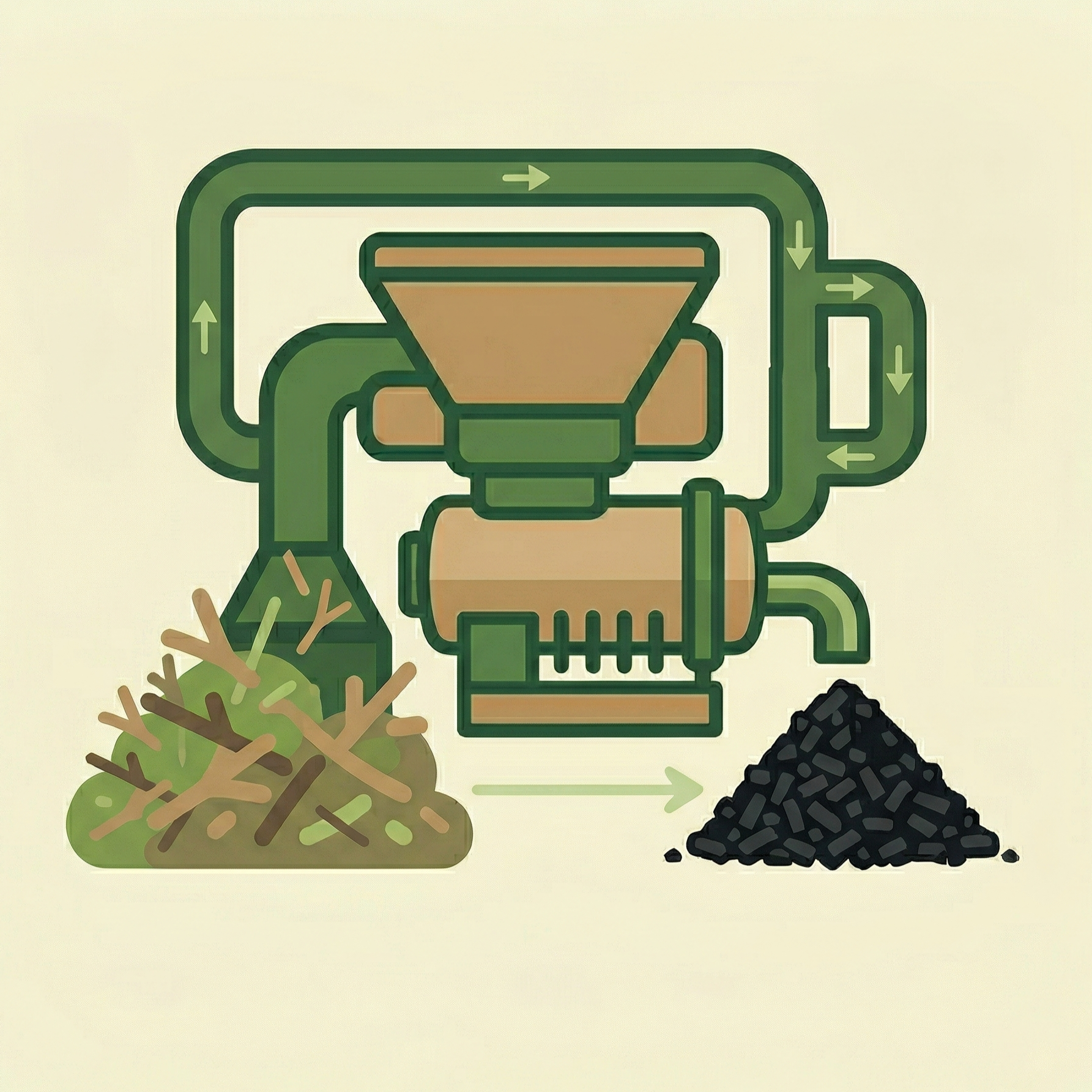
Feedstock availability, conversion technology, and biochar quality need to be aligned with the intended agricultural use case.

Application rates, logistics, timing, and compatibility with the operating system determine whether deployment is practical.
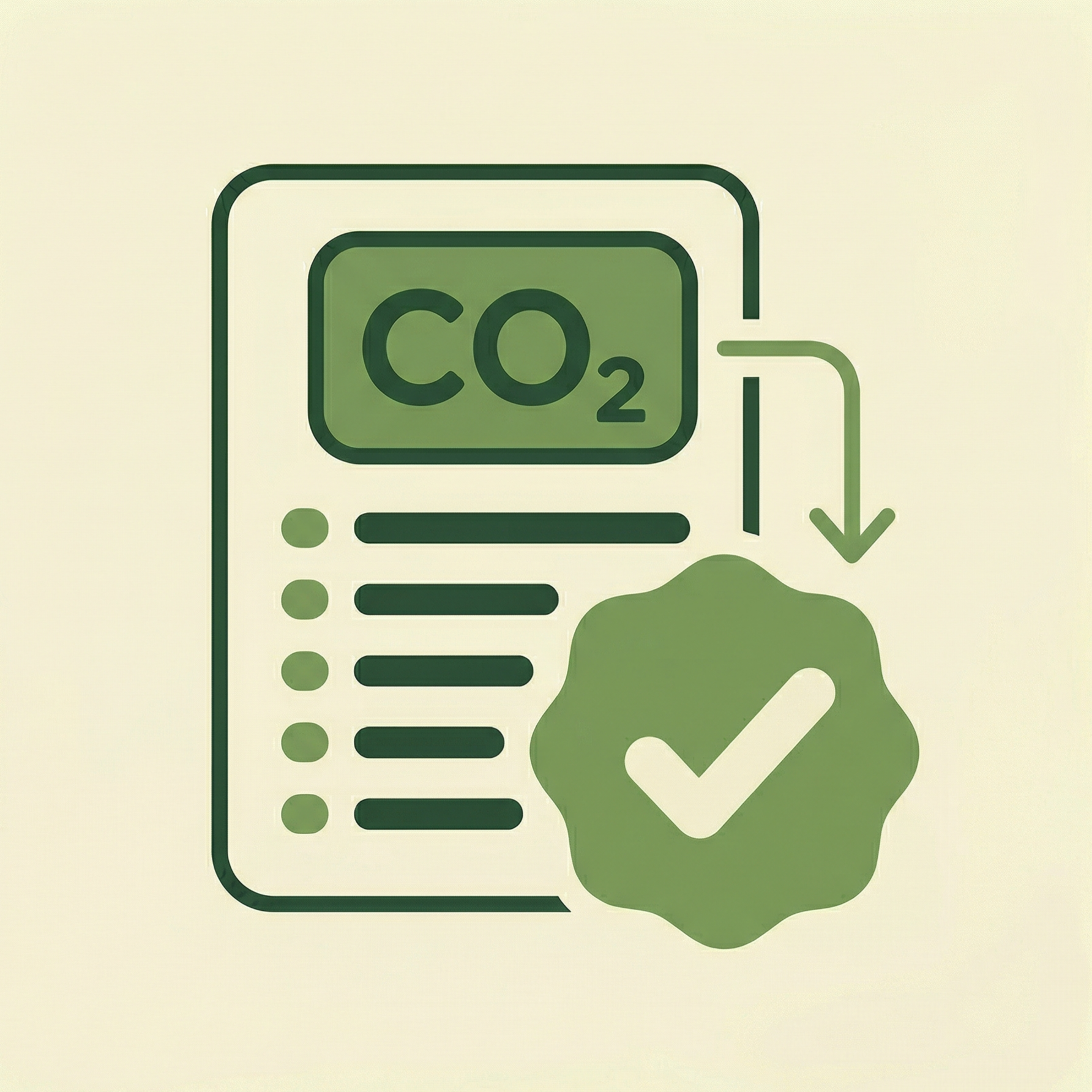
Without data design and evidence from the outset, climate value may not translate into an eligible carbon asset later on.
Integrated system
Rather than treating biochar as a standalone input, TehaGreen structures the relationship between each deployment layer.
This helps operators, investors, and partners understand where there is operational fit, where dependencies sit, and how deployment can be organized more coherently.
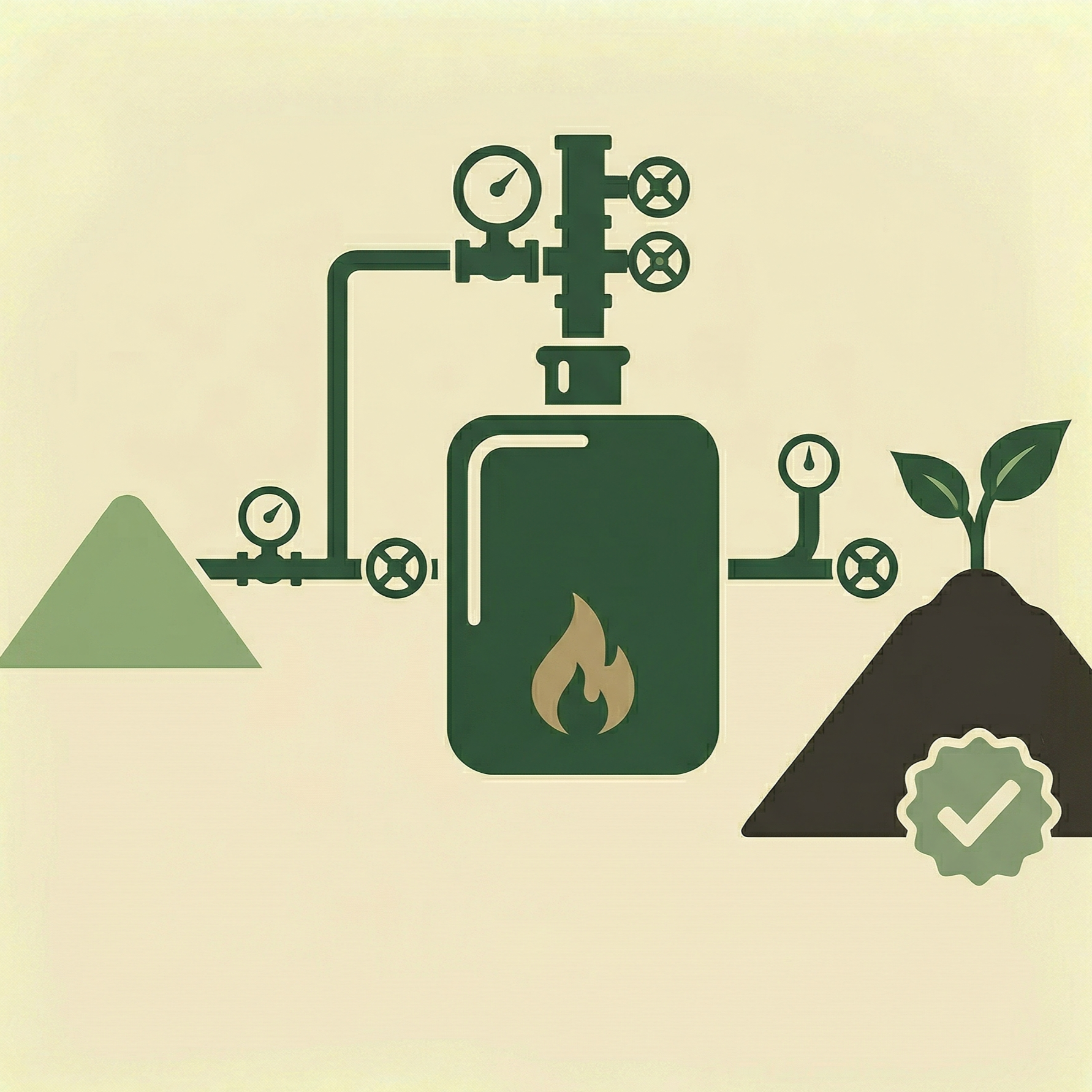
Map feedstock options, production pathways, and likely biochar specifications.
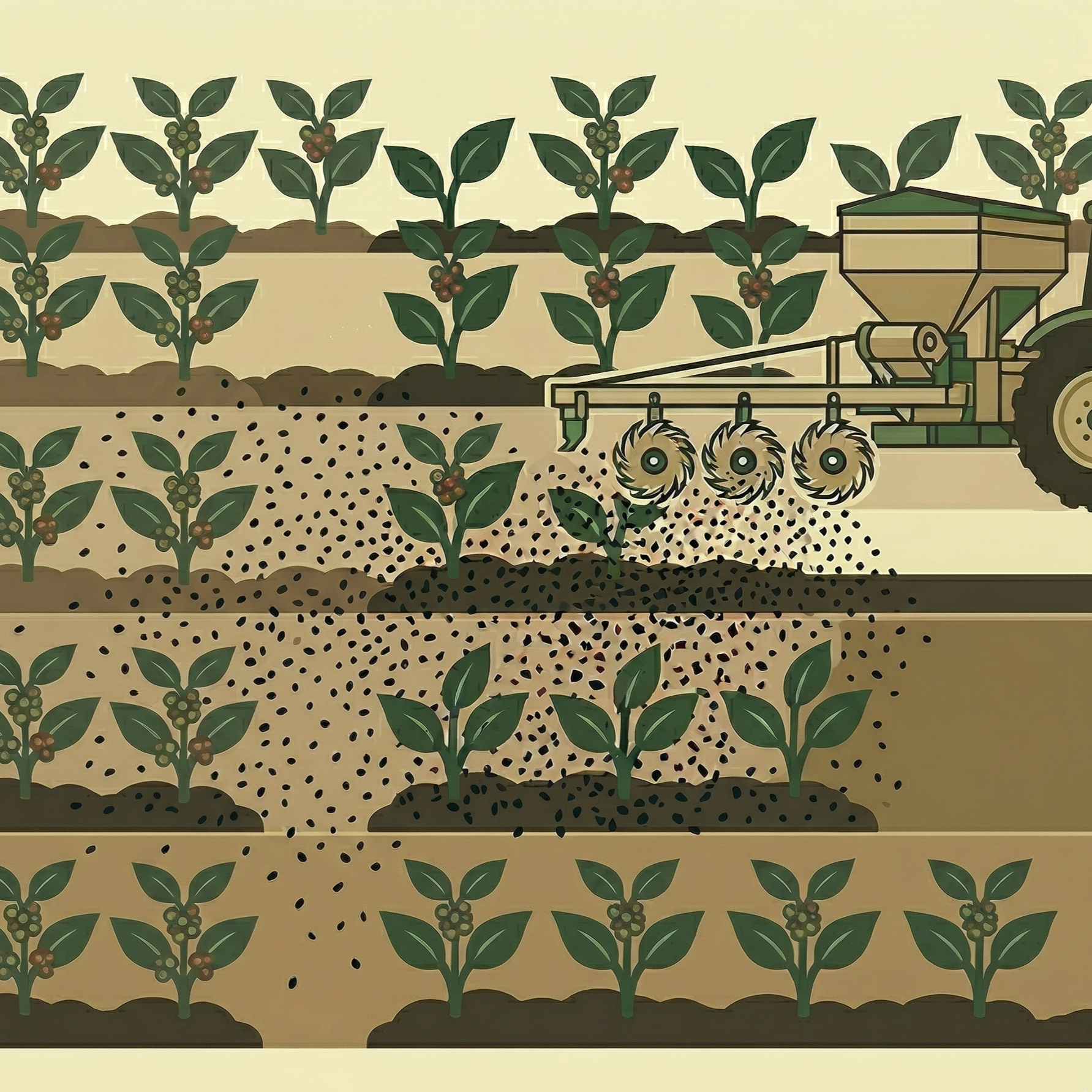
Evaluate crops, soils, pasture systems, and operational priorities to define technical fit.
Shape application logic, operating windows, and partner coordination for implementation.
Prepare data readiness, traceability, and alignment with carbon-market requirements.
How it works
TehaGreen functions as a decision and system-design layer. The focus is on organizing deployment, not making deterministic outcome claims before the operating context is understood.
Identify where biochar may make sense within the agronomic and operational realities of the farm system.
Translate the use case into production logic, material specifications, and deployment design.
Connect supply pathways, operator needs, and integration requirements without assuming asset ownership.
Build the early data and verification logic needed for future carbon-market integration.
Why Brazil
The starting point is strategic rather than arbitrary. Brazil combines agricultural scale, diverse crop and pasture systems, available biomass streams, and a strong need for solutions that reinforce soil resilience.
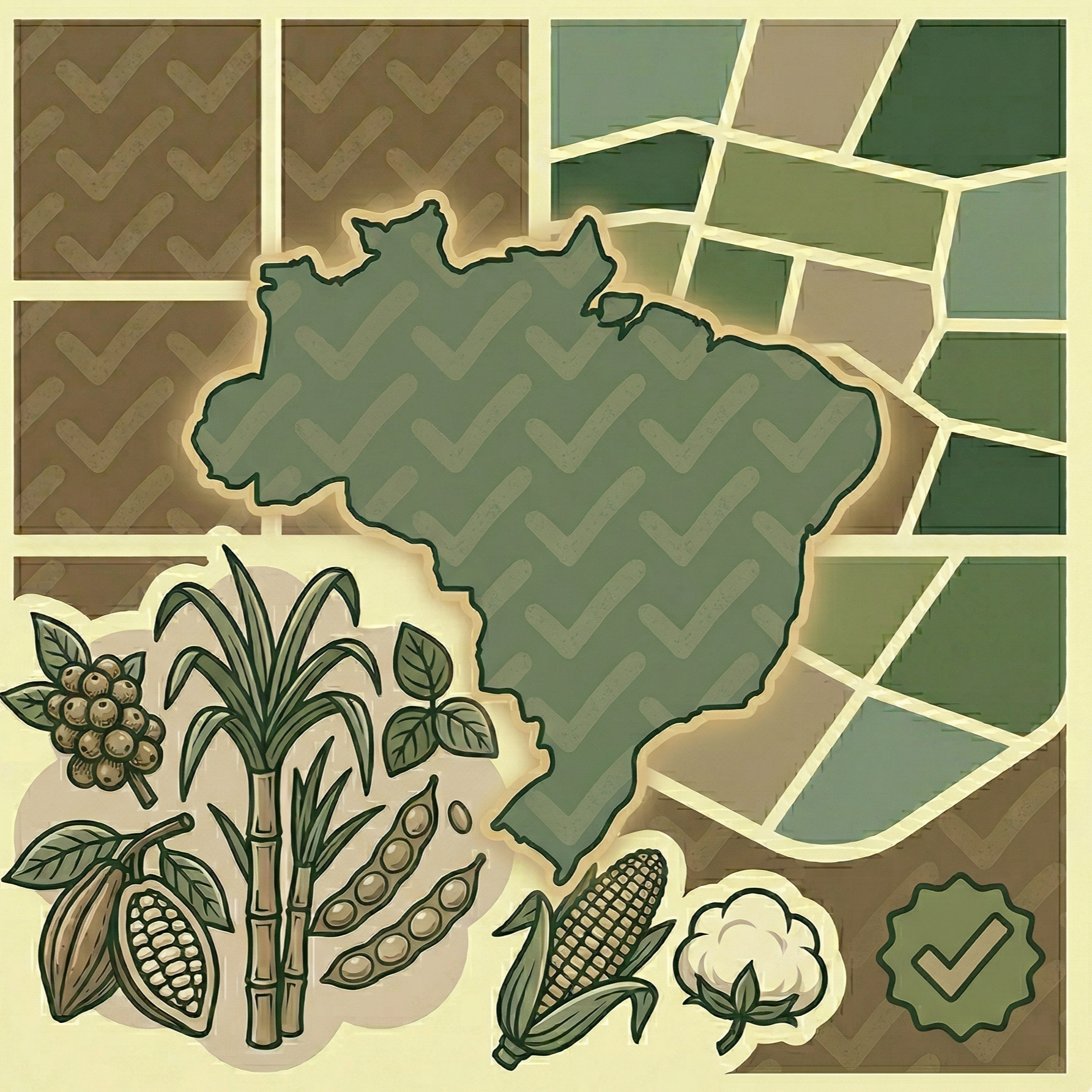
A strong setting for testing repeatable deployment logic in larger operating environments.
Crops, pasture, and forestry systems create a broad base of potential application.
Brazil is a compelling entry point without limiting future expansion into other geographies.
Scaling model
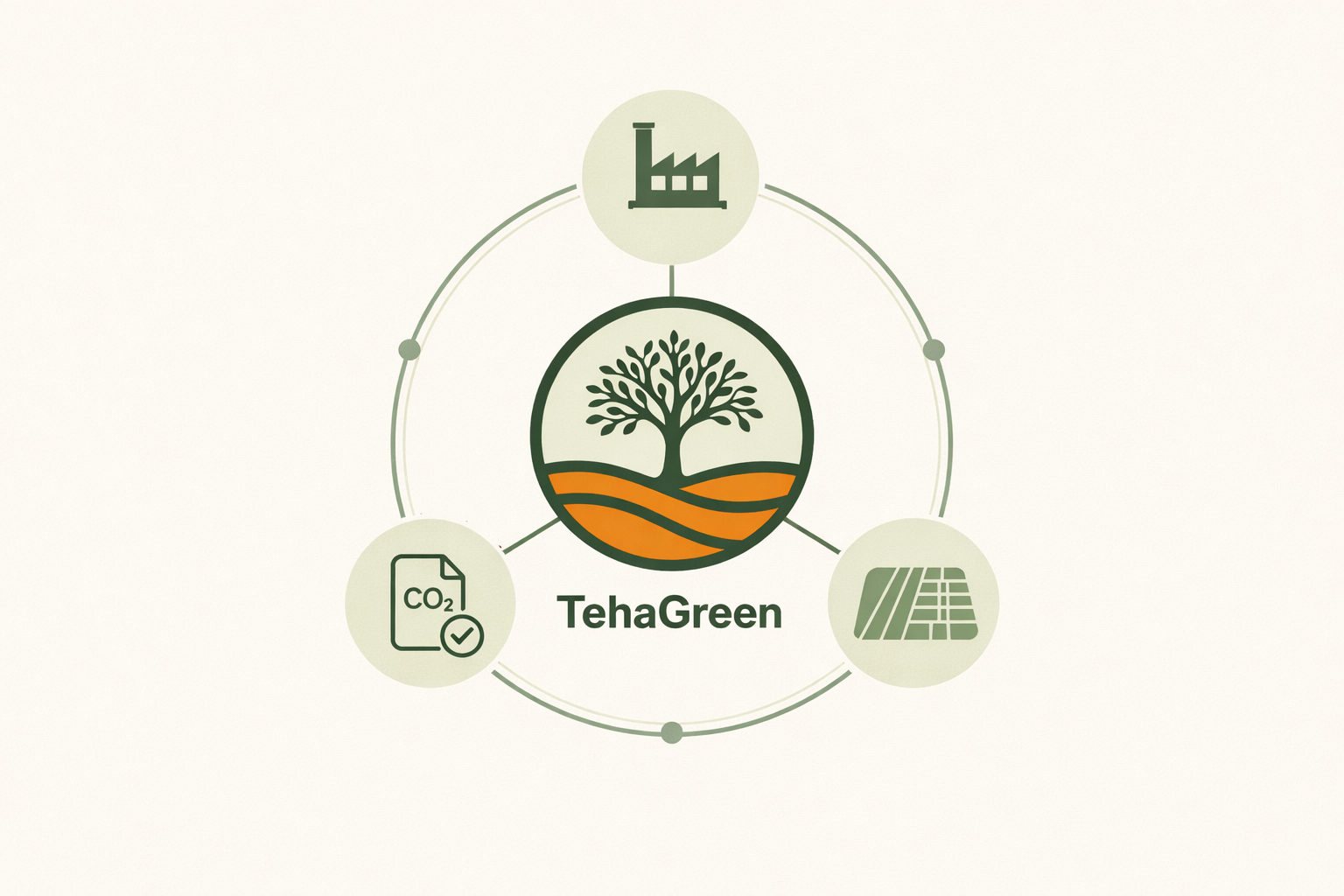
TehaGreen does not need to own plants to expand. The focus is on system design, coordination, and deployment intelligence.
Scale comes from decision models that can be adapted across crops, regions, and partner networks.
Working through producers, suppliers, and ecosystem partners supports growth with lower capital intensity.
Differentiation
Connects production, field deployment, and MRV readiness within one deployment logic.
Treat technology, agronomy, and carbon as separate workstreams, increasing misalignment and rework.
Greater decision clarity, better visibility into dependencies, and a stronger base for disciplined scaling.
If the objective is to understand where biochar can gain deployable system logic at scale, the conversation starts here.

For cooperatives and coffee producers in Bahia
Have you heard about biochar? Want a clear, practical explanation of how it works, how it can improve coffee productivity, and how it can also create additional income from carbon?